
While Apple Was Playing It Safe, Samsung Built A Magic Wall
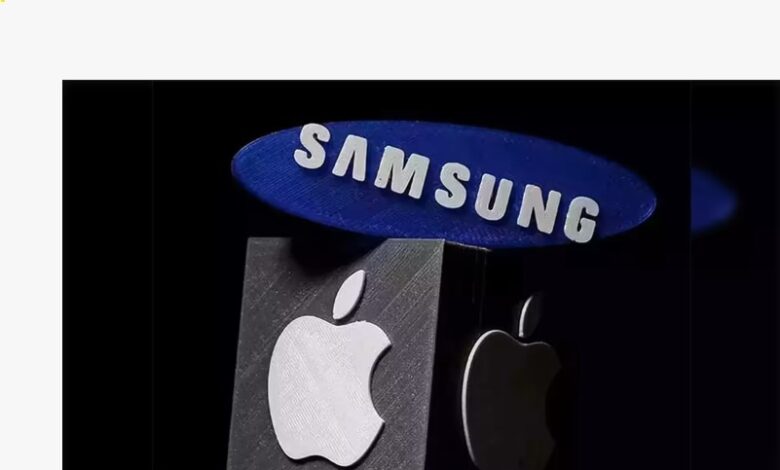
For years, Apple has been selling us a dream of digital privacy. While massive strides were made in encryption and biometrics, a glaring, low-tech hole remains: the person standing right next to you. Whether you’re on a crowded train, in a bustling café, or standing in a checkout line, your smartphone is essentially a public billboard. This is a vulnerability that Apple and rest of the industry has conveniently ignored.
One glance from a stranger and your private messages, bank balances, and sensitive emails become communal property. Until now, the only solution was a cheap, plastic “privacy filter” that turned a gorgeous OLED screen into a muddy mess. Samsung just changed the game, and frankly, it’s made the rest of the industry seem… out of touch.
Rather than asking users to compromise their screen quality with third-party stickers, Samsung has integrated a “privacy mode” directly into the glass of the Galaxy S26 Ultra. When toggled on, the display remains as vivid and sharp as ever for the person holding it. But to anyone viewing from an angle, the screen simply appears dark. It’s a seamless transition that protects data from snoopers as much as it protects peace of mind. You can finally check a work memo or a private statement in a crowd without that nagging feeling of being watched.
This is an engineering marvel. The industry hasn’t seen disruptive hardware innovation in years, particularly regarding displays. While Apple continued to chase marginal improvements in brightness and screen refinements, the actual experience of looking at a phone has remained the same for a decade. By addressing a near-universal pain point—the nagging feeling of being watched—Samsung has reimagined how a screen interacts with its environment. And due to the hardware feature being integrated with the software, the level of privacy can be personalized. You can read a public article in normal mode while ensuring sensitive notifications appear only in privacy mode.
This begs a critical question: will other smartphone makers follow suit? Since its launch a few weeks ago, this feature has been met with immediate fanfare. It leaves the rest of the industry in an uncomfortable position, forced to play catch-up. Will Apple continue to play it safe, swapping frame materials and calling it innovation? Or will they admit that Samsung has found the path forward and begin integrating hardware-level privacy into iPhones?
In 2026, a “Pro” phone that broadcasts your private life to everyone within a five-foot radius is starting to feel like a relic. Samsung has proven that a phone is capable of keeping a secret. What remains to be seen is whether the rest of the market from which Apple is one, will be brave enough to follow the leader, or will stay stuck in a cycle of beautiful, but ultimately exposed, stagnation.